

There is something undeniably romantic about winter photography. The crisp air, the low sun casting long, dramatic shadows, and the silence of a snow-covered landscape. But let’s be honest, it’s also a brutal testing ground for electronics.
Recently, I decided to brave a biting -15°C winter day. Instead of packing the latest mirrorless wonder, I reached back into the archives of 2006. I dusted off a legend: the Canon EOS 30D. In a world obsessed with megapixels and eye-tracking autofocus, taking an 8.2-megapixel DSLR from the mid-2000s out for a spin might seem like an exercise in futility. But as I discovered, this old workhorse has a character—and a specific technical advantage—that might just surprise you.
The Context: The Canon vs. Nikon Wars of the Mid-2000s
To understand why the 30D matters, we have to rewind the clock. The mid-2000s were the golden age of the DSLR boom. If you were a serious enthusiast or a budding pro, you generally fell into one of two camps: Canon or Nikon.
At that time, Nikon was pushing cameras like the D80 and the legendary D200. These cameras utilized CCD (Charge-Coupled Device) sensors. Today, CCD sensors have a cult following. Photographers swear by their film-like color rendition and “organic” grain at base ISO.
Canon, however, took a different path. The EOS 30D utilizes a CMOS (Complementary Metal-Oxide-Semiconductor) sensor. At the time, this was the superior technology for speed and, crucially, high ISO performance. While the Nikon shooters were getting noisy images past ISO 400, Canon shooters were pushing to 800 and 1600 with relative confidence.
But does that hold up nearly two decades later?
Ergonomics: The “Prosumer” Feel
One thing that immediately strikes you when picking up a camera of this vintage is the heft. It feels substantial. It feels like a tool, not a computer gadget.
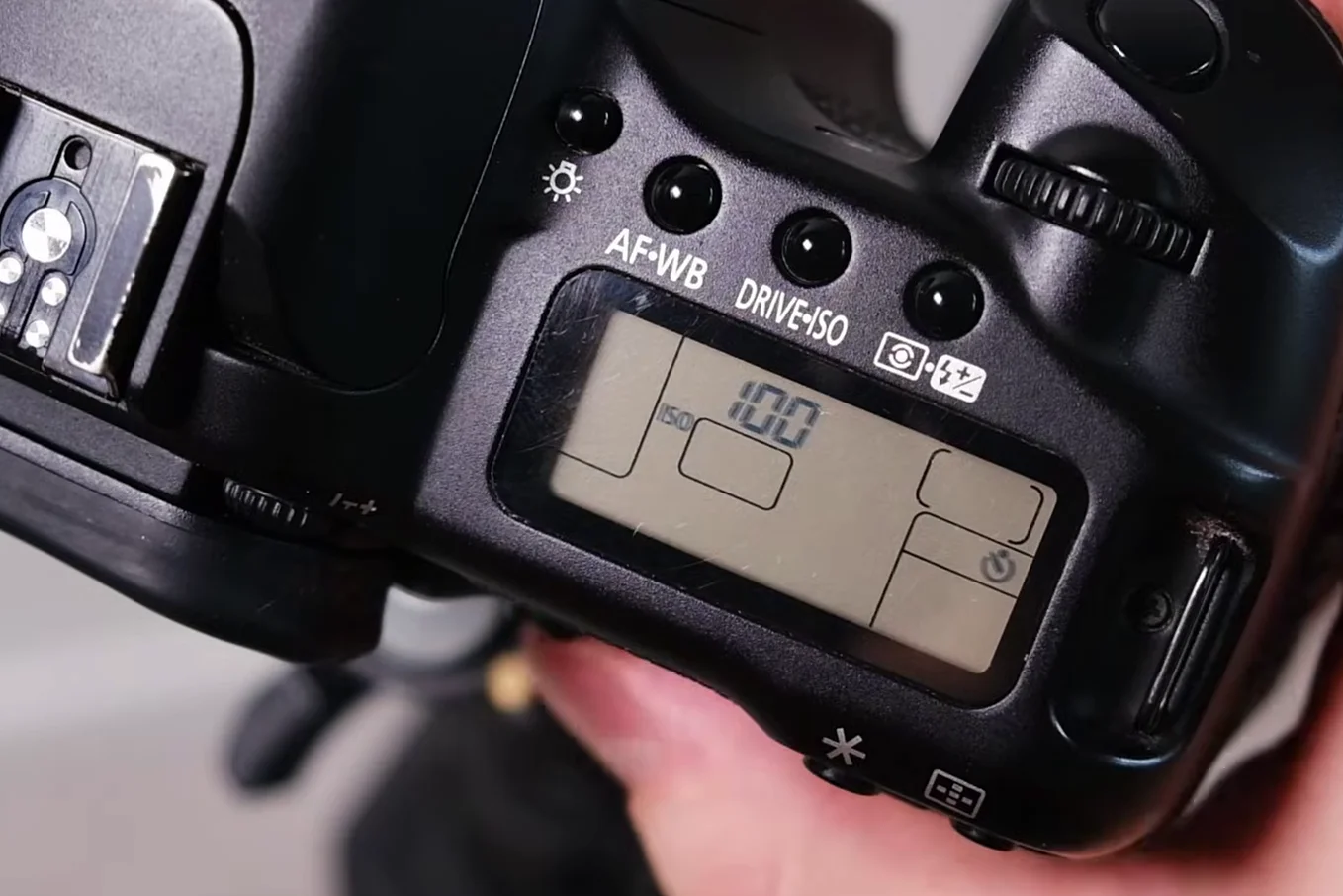
Transitioning from other systems to Canon requires a slight mindset shift, particularly regarding the control layout. The 30D features the hallmark of Canon’s pro-line ergonomics: the large rear thumb wheel. Combined with the joystick (a welcome upgrade from the previous 20D) and the front dial, you have a trifecta of control that allows for rapid setting changes without taking your eye off the viewfinder.
Even with thick winter gloves on, the grip is deep and secure. The buttons are tactile enough to find by feel. It’s a reminder that good design is timeless. The shutter sound is distinct—a mechanical “clack” that assures you the shot is taken.
Field Test: Daylight and Dynamic Range
My journey began in the golden hour, photographing the stark contrast of reeds against a frozen lake.

The first concern many have with older cameras is resolution. Is 8.2 megapixels enough? In 2024, our phones shoot 48MP. However, unless you are printing billboard-sized advertisements, 8MP is sufficient for 4K screens and social media. It forces you to be more disciplined with your composition because you can’t rely on aggressive cropping in post-production.
I paired the camera with a wide-angle lens to capture the vastness of the snow. The colors were the first pleasant surprise. Canon has always been praised for its color science, and the 30D delivers a warm, pleasing tone straight out of the camera. The auto white balance struggled slightly in the extreme cold blue shadows, but shooting in RAW makes this a non-issue.
I stumbled upon an abandoned wooden house, painted in striking orange and green hues. This was the perfect test for color reproduction.

The CMOS sensor handled the scene beautifully. While CCD sensors are often romanticized for their color, the 30D proved that Canon’s CMOS tech from this era was no slouch. The images had pop and vibrancy. The highlight roll-off was gentle, preserving details in the snow that could easily have been blown out.
The Low Light Revelation: CMOS vs. CCD
As the sun dipped and the cold intensified, I moved into the urban underground—pedestrian tunnels and subway stations. This is where the true battle of the sensors takes place.
This is where the Canon 30D separates itself from its contemporaries like the Nikon D200.
I cranked the ISO up to 1600. On a CCD sensor from 2006, this is usually “emergency only” territory, resulting in a color-noise mess that looks like confetti was thrown over the image.

The 30D, however, produced results that were shockingly clean for its age. Yes, there is noise (grain). But it is monochromatic and tight. It lacks the ugly color blotching that plagues older sensors. The Digic II processor, though ancient by modern standards, does a commendable job of managing the signal.
This brings up a fascinating philosophical point in photography: Technical Perfection vs. Atmosphere.
When comparing shots from the Canon 30D and the Nikon D200 side-by-side in these low-light conditions, the Canon is objectively “better.” The image is cleaner, sharper, and more accurate.
However, “better” is subjective. I found myself missing the grit of the Nikon D200. The heavy grain of the CCD sensor adds a certain lo-fi, cinematic atmosphere that the cleaner Canon image lacks. The Canon images almost look too modern, bridging the gap toward the clinical perfection we have today. If you want a vintage look, the Canon might actually be too good at its job!
Long Exposures and Nightscapes
To finish the test, I set up a tripod on a bridge overlooking a highway to capture light trails. The temperature had dropped further, and I was worried about battery sag—a common issue with older lithium-ion batteries in the cold. The 30D held up admirably.

The resulting images were moody and sharp. The sensor showed no signs of “amp glow” or heat noise during the longer shutter speeds. The fog diffusing the streetlights created a natural bloom that modern digital filters try to emulate.
The Verdict: Is the Canon 30D Worth Buying Today?
If you are looking for a budget entry into photography, or you just want to experience the DSLR era without breaking the bank, the Canon 30D is a compelling option.
Pros:
* Price: You can pick these up for the price of a nice dinner.
* Lens Ecosystem: It uses the EF mount. You have access to decades of incredible glass that can be adapted to modern mirrorless cameras later.
* Ergonomics: It feels professional and balances well with larger lenses.
* High ISO: For a 2006 camera, it performs miracles in low light compared to its peers.
Cons:
* Resolution: 8.2MP leaves little room for cropping.
* LCD Screen: The rear screen is small and low resolution; checking critical focus is difficult.
* CF Cards: You’ll need to find Compact Flash cards and a reader.
Final Thoughts
Shooting with the 30D in the freezing cold was a reminder that photography isn’t about the specs. It’s about the process. This camera gets out of your way. It’s responsive, reliable, and produces files that have a lovely, distinct look.
While it lacks the “cult status” of the CCD-equipped Nikon D200, the Canon 30D is arguably the more versatile camera. It captures the world with a clarity that belies its age, yet still retains enough of that mid-2000s charm to make your photos stand out from the smartphone crowd.
If you find one collecting dust on a shelf, pick it up. Charge that chunky battery, format the CF card, and take it out. You might just remember why you fell in love with photography in the first place.


