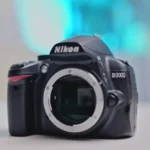
If you scroll through eBay or Facebook Marketplace right now, you might stumble upon a chunky little DSLR selling for the price of a fancy dinner for two. I’m talking about the Nikon D5000. Released way back in April 2009, this camera is now technically a teenager.
In a world dominated by mirrorless beasts and smartphones with computational photography, does a 14-year-old plastic DSLR still have a place in your camera bag?
The short answer is: Absolutely.
I recently took a trip down memory lane with this camera—literally and figuratively—taking it on a hiking trip up north. What I found wasn’t just nostalgia; it was a potent reminder that megapixels and specs aren’t everything. Today, I’m going to break down why the Nikon D5000 might just be the best $100 you spend on your photography journey this year.
To understand why the D5000 is special, you have to look at its DNA. When this camera launched, it sat right between the entry-level Nikon D60 and the enthusiast-favorite Nikon D90.
Here is the secret sauce: It uses the same sensor as the legendary Nikon D90.
The 12.9 MP CMOS sensor inside the D5000 is identical to the legendary Nikon D90.
For those in the know, the D90 was a game-changer. By putting that same imaging engine into a smaller, cheaper body, Nikon created a monster of a sleeper hit.
Screen: 2.7-inch Vari-angle LCD (more on this quirk later).
You might look at “12.9 megapixels” and scoff because your iPhone has 48. But remember, pixels on a dedicated APS-C sensor are massive compared to phone sensors. They gather light differently. 12 megapixels is plenty for 4K screens, Instagram, and even printing up to A3 size comfortably.
Design and Ergonomics: The Quirky Flip Screen
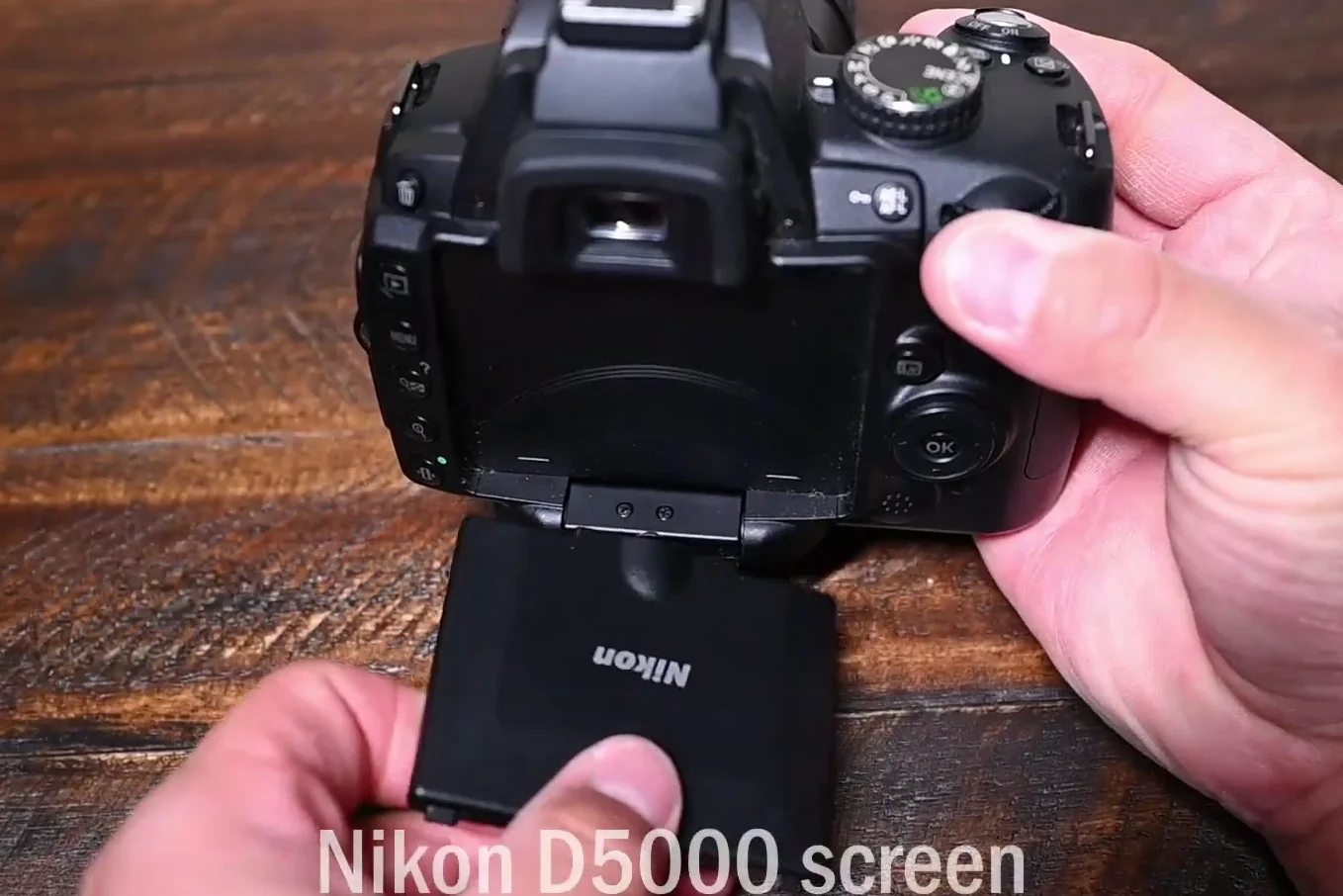
One of the standout features of the D5000—and something Nikon was pioneering at the time—is the articulating screen. However, unlike the modern D5000-series successors (like the D5300 or D5600) where the screen flips out to the side, the D5000’s screen flips down.
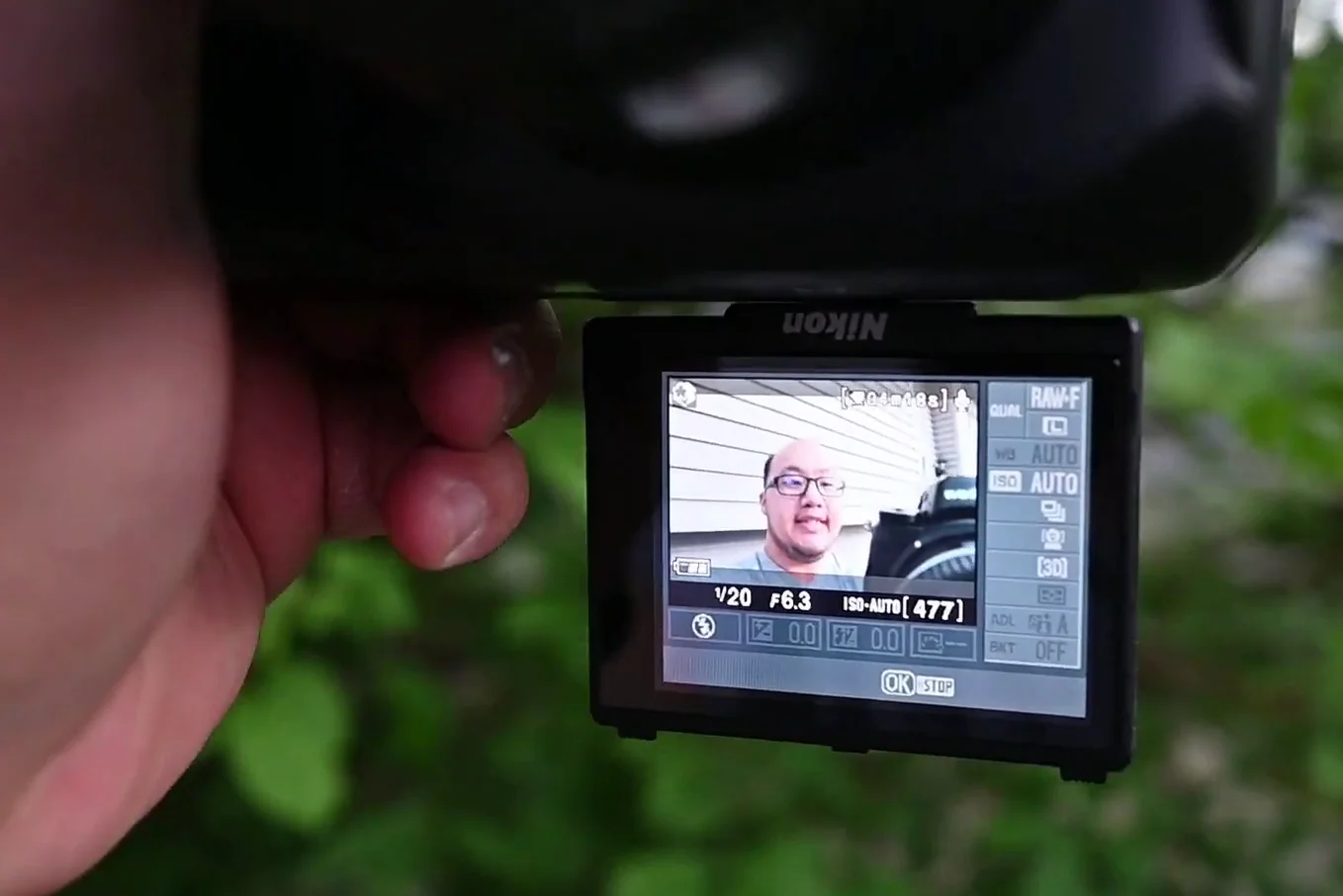
Nikon’s unique bottom-hinge design allows for creative high and low angle shots.
Is it weird? A little. If you use a tripod, the head might block the screen from flipping all the way down. But for handheld shooting? It’s fantastic.
If you are stuck in a tight corner, or you want to get a “worm’s eye view” of a mushroom on the forest floor without laying your face in the mud, this screen saves the day. It also allows you to flip the screen inward to protect the glass when you toss it in your bag—a rugged feature I wish more modern cameras kept.
Image Quality: Does It Hold Up?
This is where the rubber meets the road. I took this camera hiking, paired mostly with the Nikon 18-55mm kit lens and the Sigma 10-20mm. The results? Surprisingly sharp.
The color science from this era of Nikon is distinct. It’s rich, contrasty, and has a certain “organic” feel that sometimes gets lost in the clinical perfection of modern sensors.
Even with older technology, the dynamic range and color rendition are impressive for landscape photography.
ISO and Low Light Performance
Back in 2009, ISO 3200 was considered high territory. By today’s standards, the D5000 shows noise as you push past ISO 1600. However, the noise is monochromatic (grain-like) rather than ugly color blotches.
Plus, we live in the era of AI. If you shoot in RAW and run your files through Adobe Lightroom’s Denoise, you can easily salvage shots taken at ISO 3200 or even 6400. This breathes new life into this old sensor, making it usable in dimly lit restaurants or during twilight.
The Lens Situation: What You Must Know
If you are buying the D5000 as your first DSLR, there is one critical technical detail you need to understand: The Motor Issue.
The D5000 does not have a built-in focus motor in the body.
Nikon has two main types of older lenses:
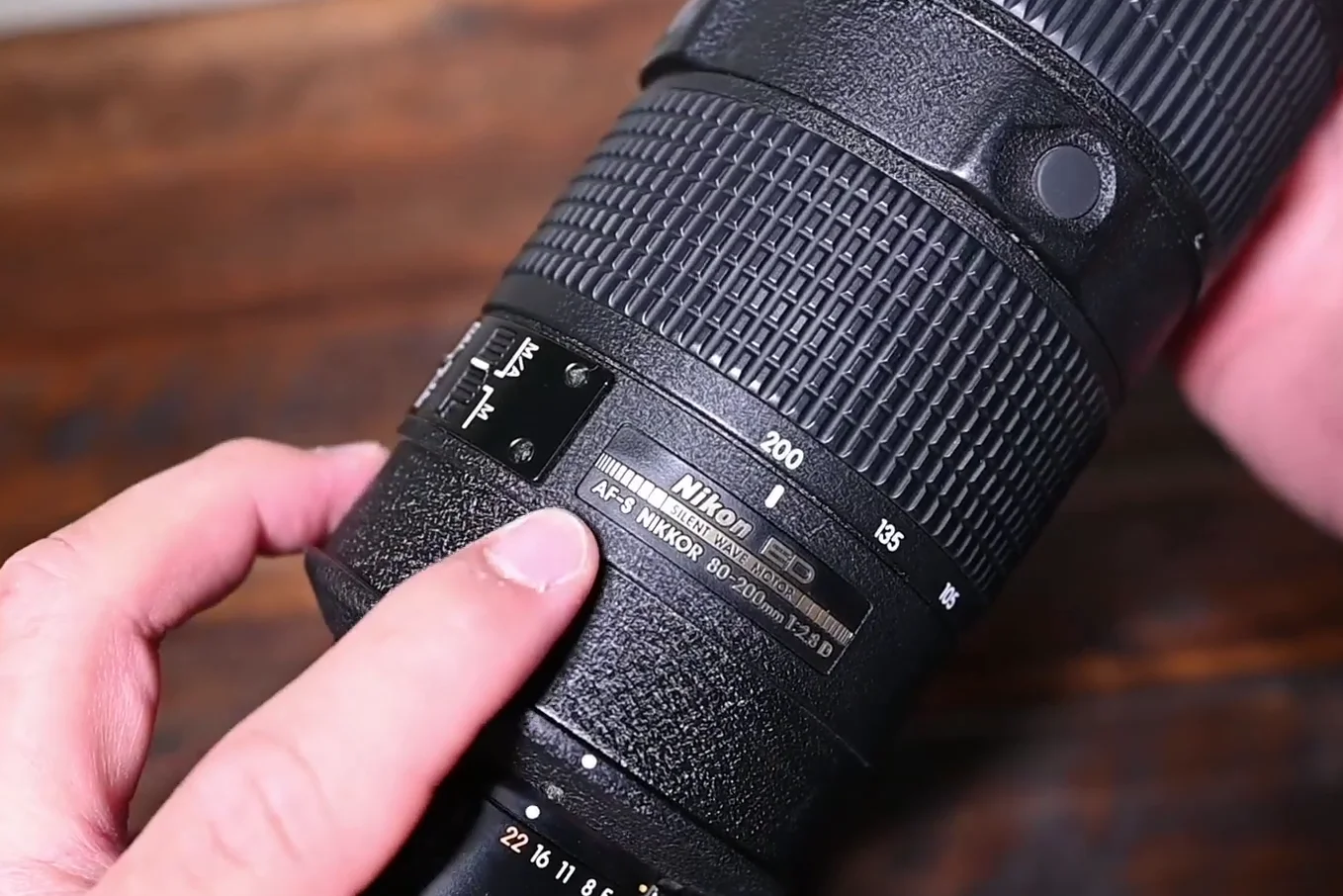
1. AF-S Lenses: Have a Silent Wave Motor inside the lens. These work perfectly.
2. AF-D Lenses: Rely on a “screw drive” from the camera body to focus.
You need AF-S lenses for autofocus. Older AF-D lenses will mount but require manual focusing.
If you attach an older “D” series lens (like the classic 50mm 1.8D), it will mount, it will take photos, but it will not autofocus. You will be stuck with manual focus.
My Recommendation: Pair this body with the Nikon AF-S 35mm f/1.8G or the Nikon AF-S 50mm f/1.8G. These are cheap, sharp, and will autofocus rapidly on the D5000. The blurry background (bokeh) you get from these prime lenses will make your $100 camera look like it cost $1,000.
Video Mode: The Elephant in the Room
Let’s be brutally honest here. If you want to be a YouTuber or shoot cinematic travel films, do not buy this camera.
Resolution: It caps out at 720p (1280×720). It’s technically HD, but it’s soft.
Time Limit: Clips are limited to 5 minutes.
Autofocus: It is virtually non-existent in video mode. It “hunts” (goes in and out of focus) constantly and loudly.
Video functionality exists, but lacks the autofocus reliability required for modern vlogging.
Think of the video mode on the D5000 as a digital notepad. It’s there if you absolutely need to record a memory, but this is a photographer’s tool, not a videographer’s hybrid.
Why Buy a D5000 in 2025?
You might be wondering, “Why not just use my phone?”
While phones are amazing, they lack the tactile experience of photography. The D5000 forces you to learn the exposure triangle (ISO, Aperture, Shutter Speed). It has an optical viewfinder, meaning you are looking through the lens at the real world, not at a digital screen processing the image for you.
The Value Proposition
Price: You can pick these up for $100 – $150 used. That is incredible value.
Durability: My dad bought his in 2010. I’m using it today. These things are tanks.
Size: It’s actually smaller and lighter than many of the pro-level bodies I use (like the Z6). It’s distinctively portable for a DSLR.
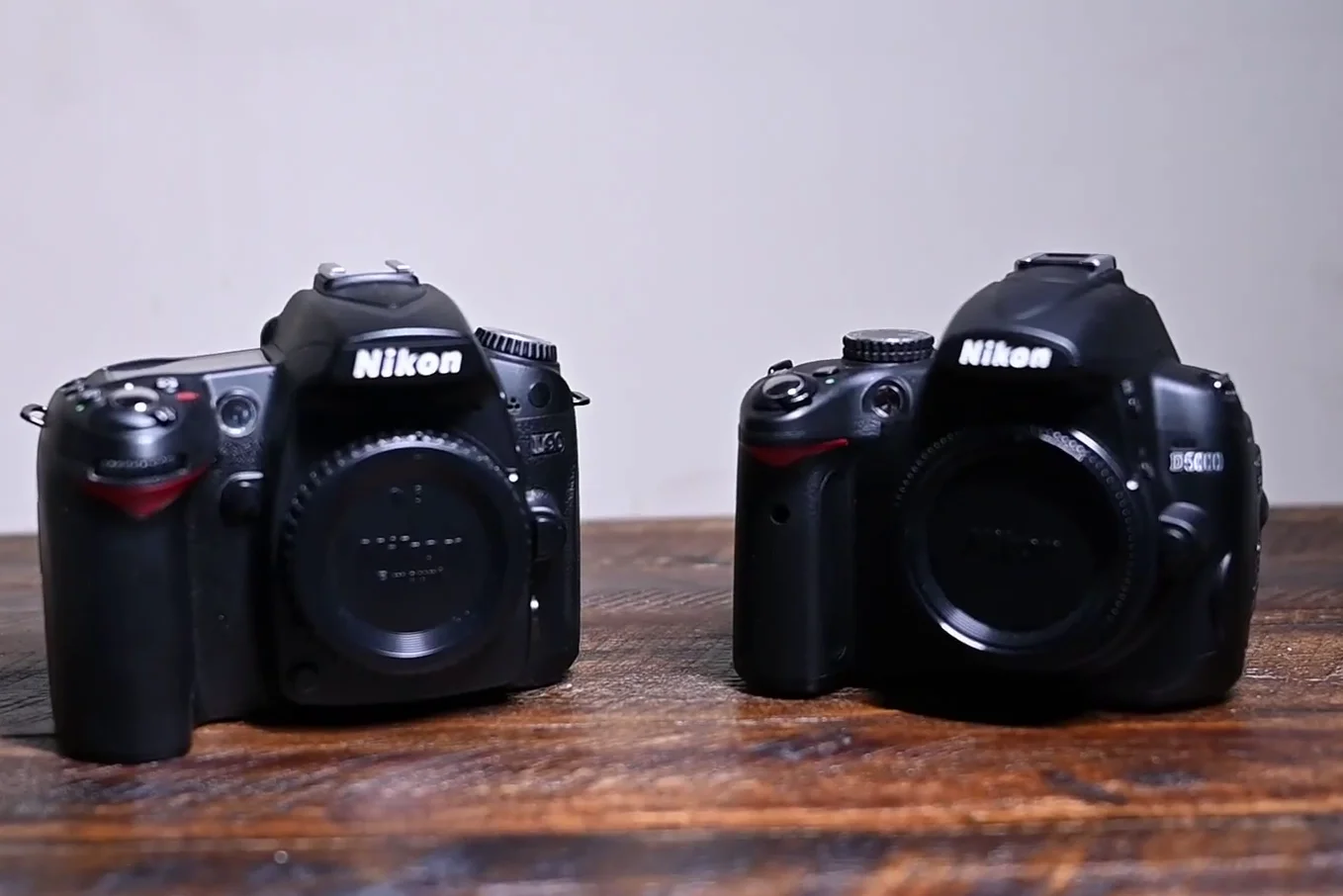
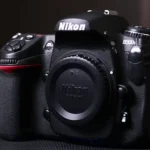
The D5000 (right) packs the power of the larger D90 into a compact body similar to the D60.
Final Verdict
The Nikon D5000 was the camera that bridged the gap for me. It moved me from the basic D40 to the more advanced D90/D7000 series. It is arguably Nikon’s first “upper-entry-level” DSLR.
If you are a student on a shoestring budget, a parent wanting to take better photos of your kids than your phone can manage (from a distance), or just someone who wants to learn the art of photography without breaking the bank, this camera is a gem.
It has limitations, sure. But constraints breed creativity. Put a decent lens on this 2009 body, and I promise you, the images it produces will still make you smile.
Pros:
* Excellent still image quality.
* Flip screen is genuinely useful.
* Cheap access to the vast Nikon F-mount lens ecosystem.
* Great battery life (compared to mirrorless).
Cons:
* Terrible video autofocus.
* 720p video resolution.
* Screen resolution is low by modern standards.
* No built-in focus motor (limits lens choices slightly).
Don’t let the age on the spec sheet scare you. The D5000 is proof that good glass and a decent sensor are timeless.