In a world obsessed with the latest mirrorless technology, 8K video, and eye-watering price tags, it is easy to overlook the workhorses that built the modern content creation landscape. I’m talking about the Canon EOS 80D.
Some might call it a dinosaur. I call it a legend.
I used to chase the newest gear, convinced that the specs on the box were the only thing standing between me and a masterpiece. I even owned the popular Canon M50—a capable little mirrorless camera. But something was missing. It felt like a toy. It lacked soul. When I finally picked up a used 80D, frankly, because the price had dropped to an irresistible level, I understood what I had been missing.
This camera is often described as a “Swiss Army Knife,” and after putting it through its paces in travel, sports, and vlogging scenarios, I can tell you that nickname is well-earned. Here is my deep dive into why the Canon 80D, years after its release, might just be the smartest purchase you can make today.
Let’s start with something you can’t quantify on a spec sheet: the feeling in your hand.
If you have ever held a small mirrorless camera for hours, you know the “claw hand” cramp. The ergonomics on modern, compact cameras often sacrifice comfort for size. The 80D makes no such compromise.
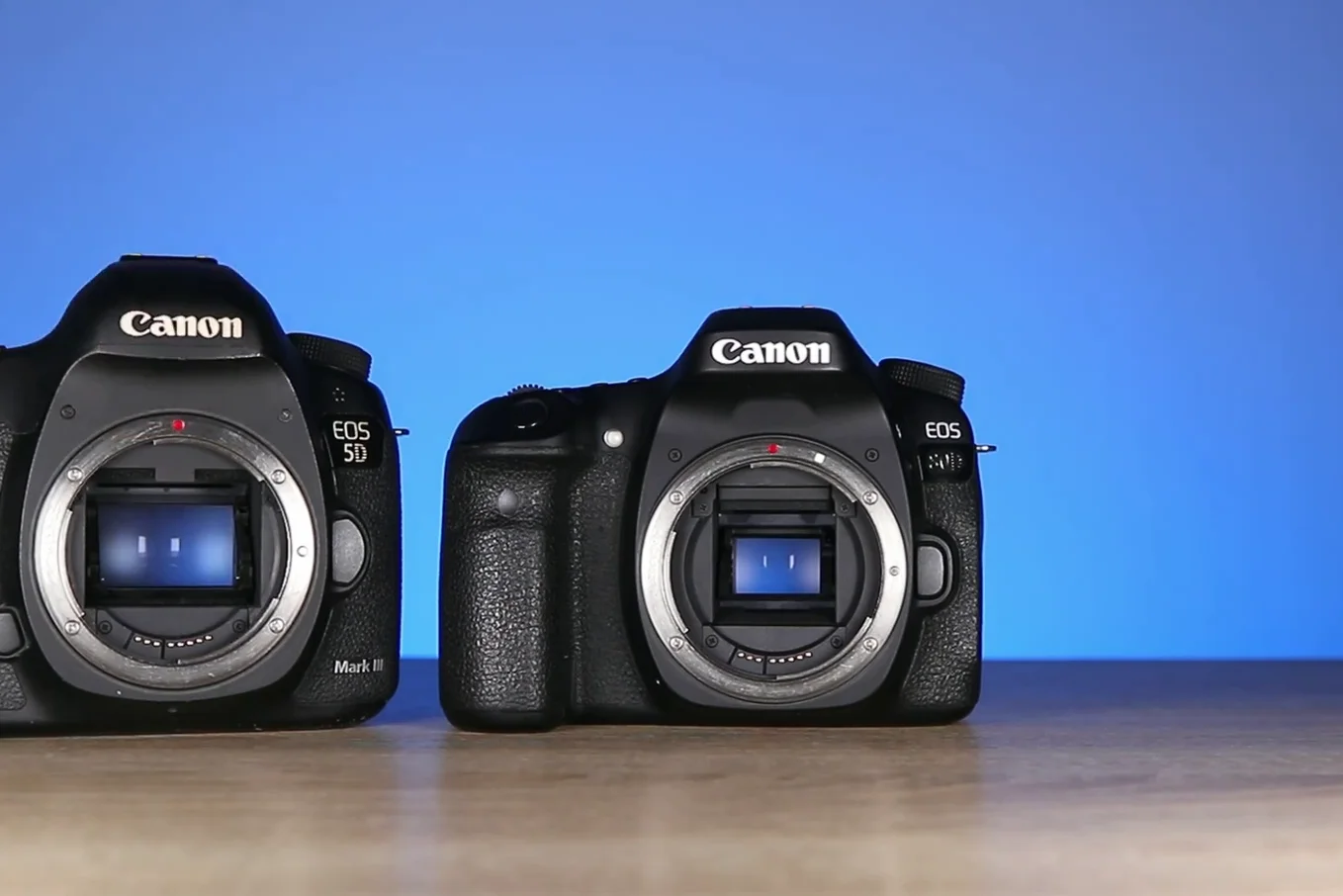
The 80D sits in that “Goldilocks” zone: substantial enough to grip firmly, but not as heavy as the pro-level 5D series.
The grip on the 80D is deep and substantial. When you wrap your fingers around it, they lock in. There is no pinky finger dangling off the bottom, wondering where to go. This deep grip gives you a sense of security; you feel like you could hike a mountain with this thing in one hand and never drop it.
Coming from the Canon M50, the difference was night and day. The 80D feels like a professional tool, not a fragile gadget. It has heft, but it’s a reassuring heft. It feels ready.
The Articulation That Changed the Game
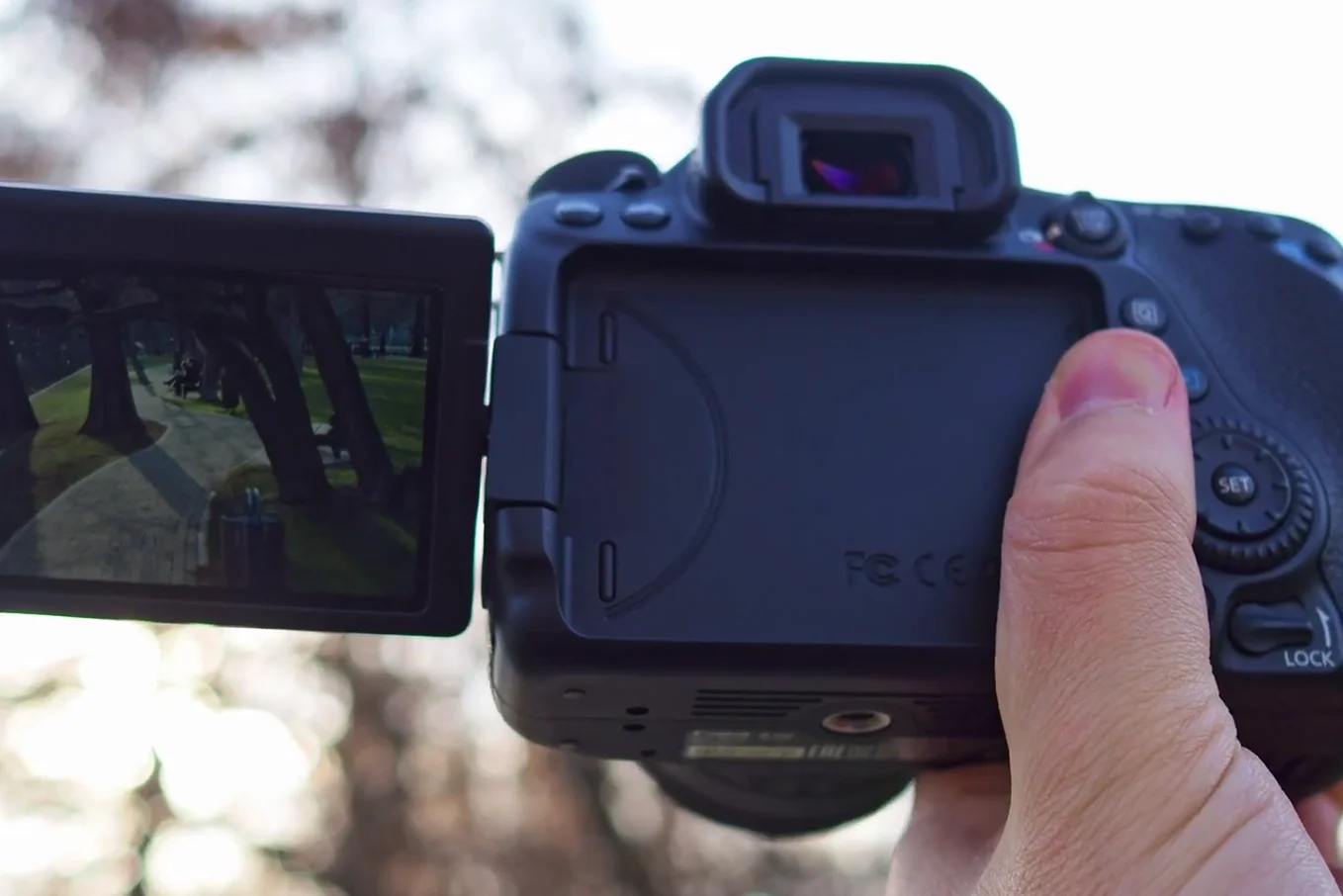
We take flip screens for granted now, but the 80D was one of the pioneers that perfected the Fully Articulating Flip Screen.
Unlike tilt screens that only go up and down (useless for portrait orientation) or flip-up screens that get blocked by microphones (looking at you, Sony a6400), the 80D’s screen flips out to the side and rotates.
Whether you are shooting low to the ground or vlogging, the fully articulating screen offers unmatched flexibility.
This is vital for two reasons:
1. Creative Angles: You don’t need to lie face-down in the mud to get a cool low-angle shot of a mushroom or a pet. You just flip the screen, look down, and shoot.
2. Self-Monitoring: For vloggers and solo shooters, being able to see yourself ensures you are actually in focus and framed correctly.
Plus, the touch sensitivity is responsive. Tapping to focus or navigating menus feels as intuitive as using a smartphone.
Speed and Focus: Dual Pixel AF Magic
If there is one technology that keeps Canon relevant in the video space, it is Dual Pixel Autofocus (DPAF). Even though the 80D is an older DSLR, its Live View focusing is still spectacular.
When you flip that mirror up to shoot video or take photos in Live View, the camera tracks faces and subjects with an eerie reliability. It doesn’t hunt. It doesn’t pulse. It just sticks. For solo content creators who can’t pull their own focus, this reliability is worth its weight in gold.
For photography through the viewfinder, you have 45 cross-type AF points. While not as wide-spread as modern mirrorless systems, for sports and wildlife, it is snappy, accurate, and incredibly fast.
The “Pro” Features That Save Time
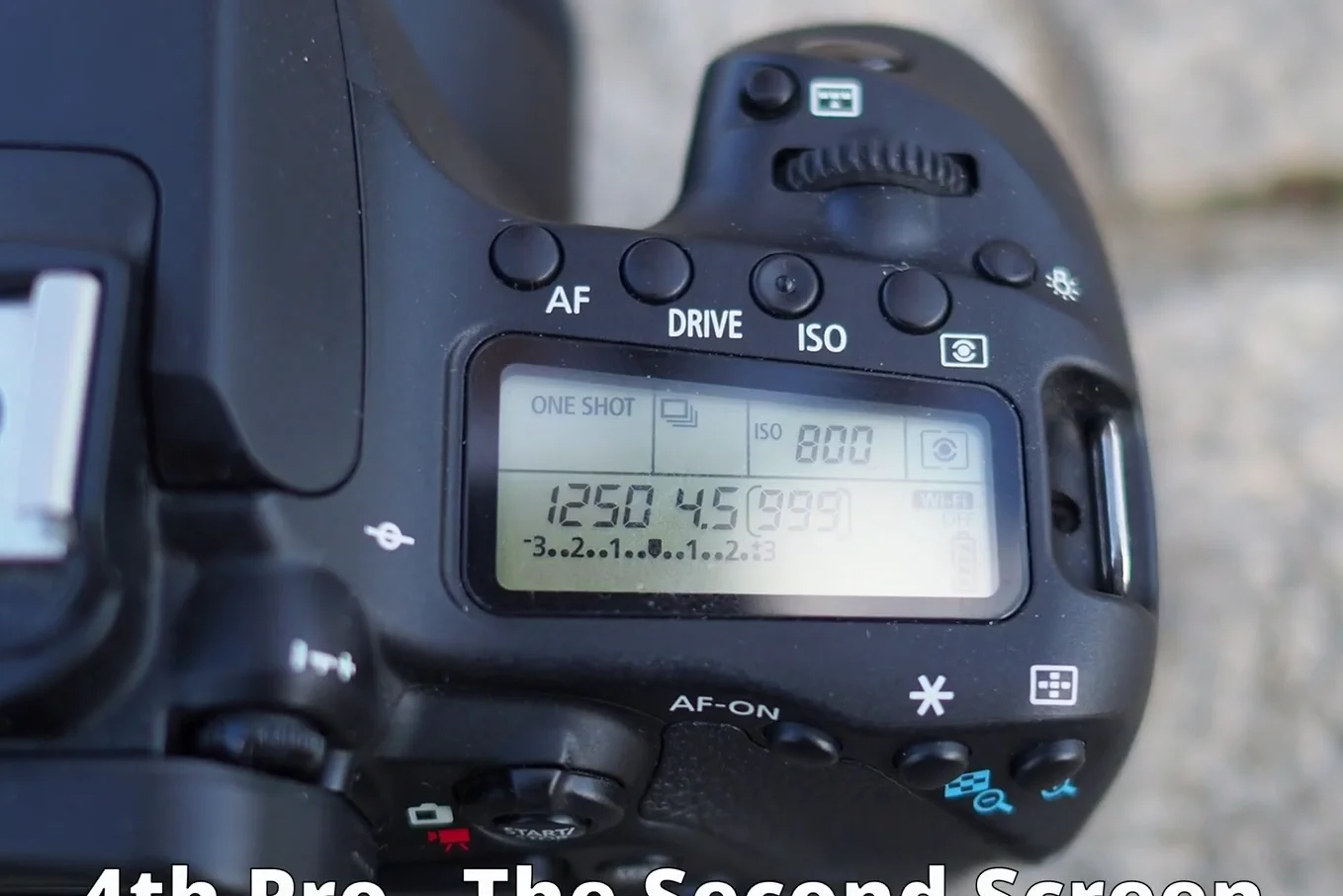
One feature that screams “professional” on the 80D is the Top LCD Panel.
If you are learning photography or shooting in fast-paced environments, looking at the back screen constantly is a battery drain and a distraction. The top passive LCD gives you your shutter speed, aperture, ISO, battery life, and shots remaining at a glance.
The secondary top screen is a massive time-saver for checking settings without waking up the main rear display.
Furthermore, the button layout is superb. You have dedicated buttons for ISO, Drive Mode, and AF type right near the shutter button. You aren’t digging through digital menus to change basic settings; you are building muscle memory. This tactile control allows you to operate the camera without taking your eye off the subject.
Connectivity and The “Everything” Ports
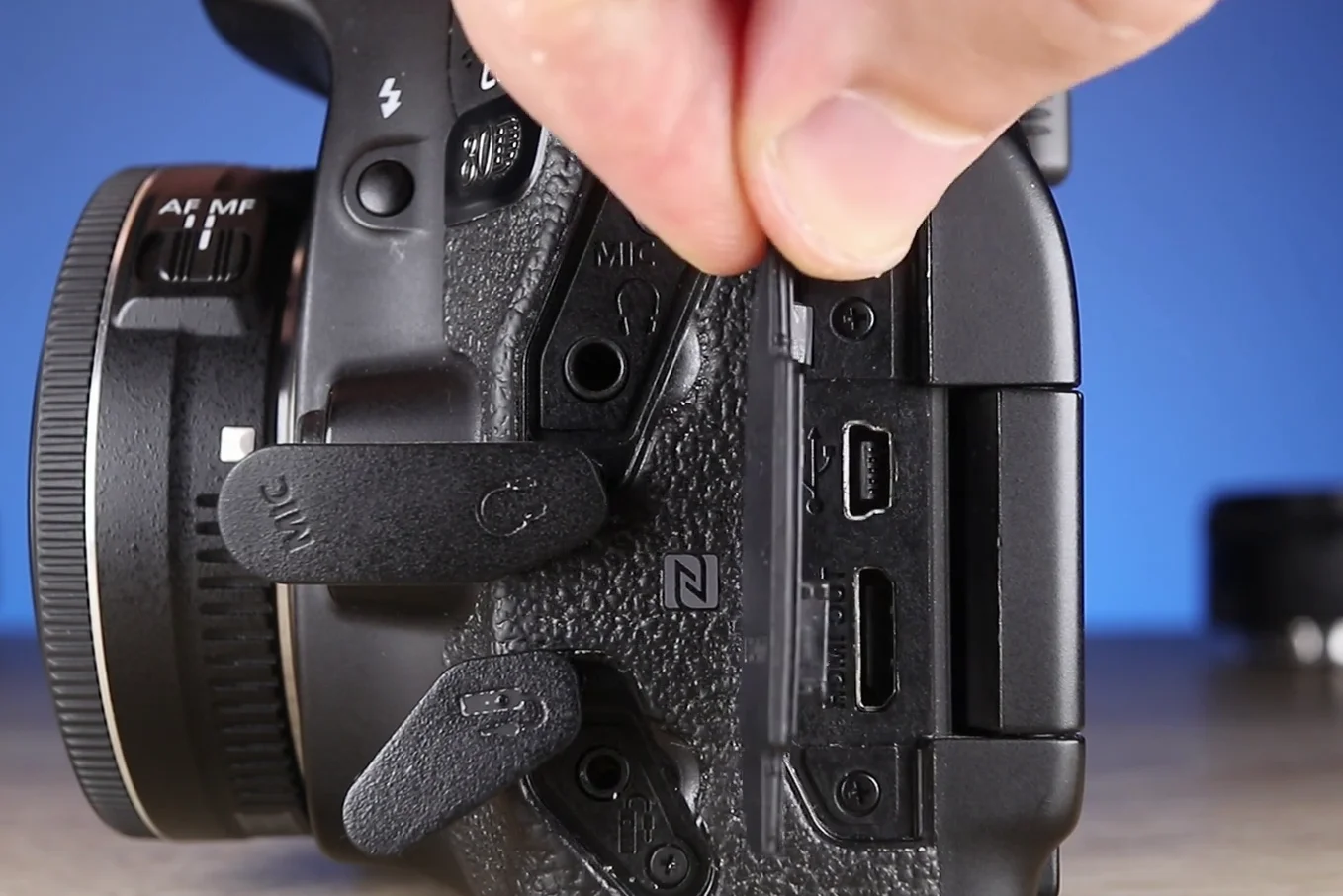
In an era where manufacturers are removing headphone jacks from phones and sometimes even cameras, the 80D is refreshingly complete. It has everything on the side panel:
* Microphone Jack: Essential for better audio.
* Headphone Jack: Crucial for monitoring that audio (a feature often missing in mid-range cameras).
* Remote Release: For long exposures.
* HDMI & USB: For output and transfer.
Comprehensive connectivity options make the 80D a complete studio tool right out of the box.
It also features Wi-Fi and NFC. While camera apps are notoriously finicky, the Canon Connect app is surprisingly usable for transferring JPEGs to your phone for a quick Instagram post while you’re still out in the field.
Weather Sealing: Nature Proof
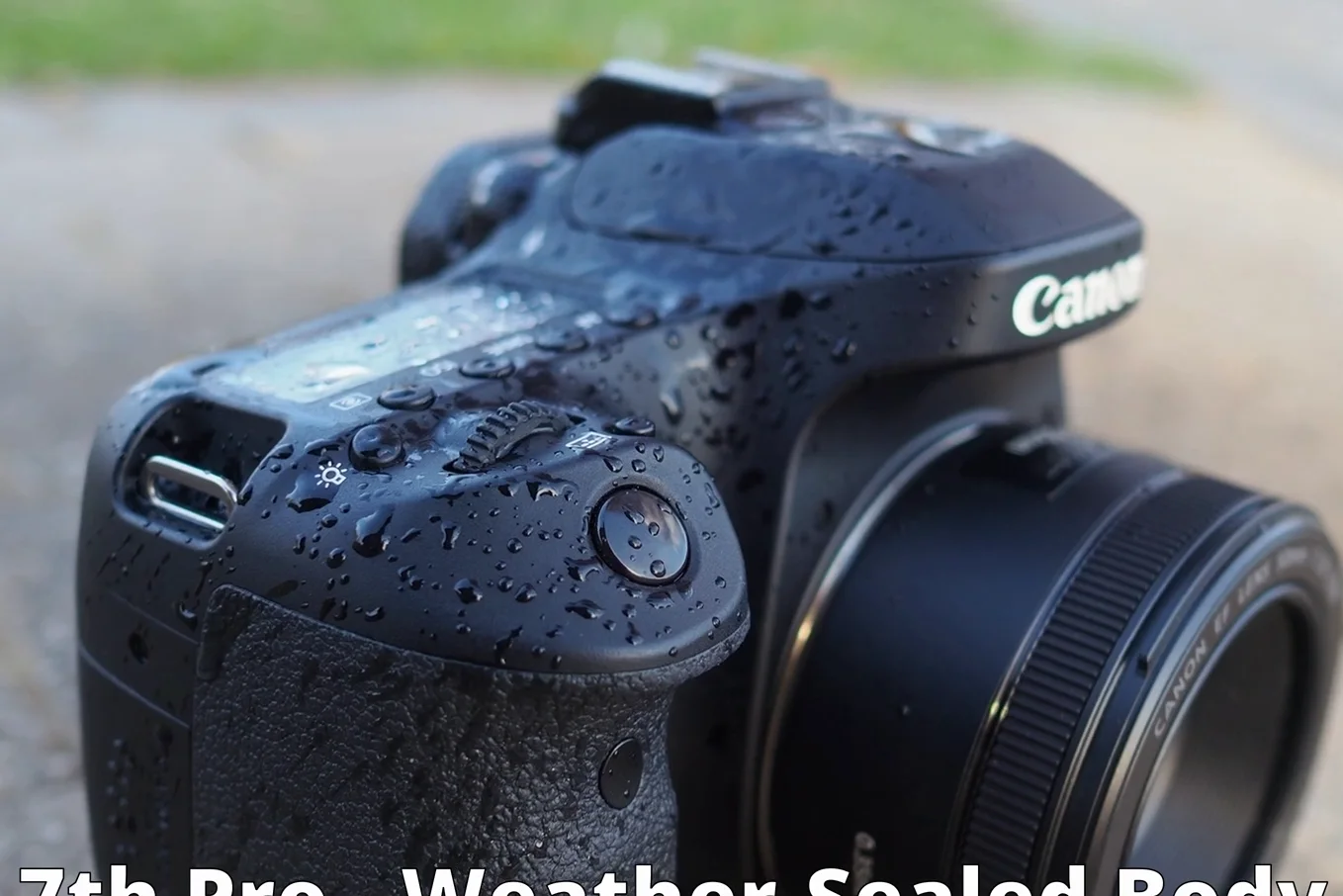
I took this camera out to photograph birds near a lake, and let’s just say the weather wasn’t playing nice. With many budget cameras, a few drops of rain mean panic mode. With the 80D? You just keep shooting.
Don’t let a little rain stop you. The weather sealing on the 80D is excellent for landscape and wildlife photographers.
The body is weather-sealed against dust and moisture. While I wouldn’t recommend submerging it, it handles light rain, splashes, and dusty trails with zero complaints. This durability allows you to capture moody, atmospheric shots that fair-weather photographers miss because their gear is packed away.
The Lens Ecosystem Advantage
Here is the biggest secret to the 80D’s value: The EF/EF-S Lens Mount.
Mirrorless RF lenses are incredible, but they are also incredibly expensive. The EF mount has been around for decades. There are literally hundreds of lenses available on the used market for pennies on the dollar compared to new mirrorless glass. You can build a professional kit (wide angle, portrait prime, telephoto) for the price of a single modern RF lens.
The Cons: What Are You Giving Up?
To be fair and transparent, the 80D isn’t perfect by 2024 standards.
1. No 4K Video: It tops out at 1080p (Full HD) at 60fps. However, unless you are cropping heavily or projecting on a cinema screen, 1080p is still the standard for YouTube and social media. Good 1080p looks better than bad 4K.
2. No IBIS (In-Body Image Stabilization): You have to rely on lenses with stabilization (IS) or steady hands.
3. Single Card Slot: Not ideal for high-stakes weddings, but fine for everything else.
Final Verdict: Is It Worth It?
If you are a hybrid shooter who values durability, ergonomics, and battery life (which lasts for days on a DSLR compared to hours on mirrorless) over having the absolute latest autofocus algorithm or 4K resolution, the Canon 80D is a steal.
It produces beautiful 24-megapixel images with that classic Canon color science. It captures great video. It teaches you how to be a better photographer through its tactile controls.
In the end, gear doesn’t make the artist, but having a tool you can trust—one that feels right in your hand and doesn’t break the bank—certainly helps. The Canon 80D is exactly that tool.