In the fast-paced world of digital photography, four years can feel like a lifetime. New processors, AI-driven autofocus, and insane frame rates are released annually, making older models seem obsolete before their time. However, smart photographers know that “older” often translates to “better value,” provided the core technology holds up.
That brings us to the Nikon Z6. Released in 2018 as one of Nikon’s first forays into the full-frame mirrorless world, it was a pivotal moment for the brand. But now, in 2023 and beyond, does it still hold water? After using this camera extensively for over four years—transitioning from the beloved D750—I’ve gathered some insights that go beyond the spec sheet. If you are looking to enter the full-frame mirrorless market without breaking the bank, this might just be the most important review you read today.
Here is a deep dive into whether the Nikon Z6 is still a worthy workhorse in the modern era.
When looking at the raw numbers, the Z6 sits in what I like to call the “sweet spot” of resolution and performance. It features a 24.5-megapixel full-frame BSI-CMOS sensor. In an age of 45MP and 60MP monsters, 24MP remains the gold standard for general photography. It offers enough detail for large prints but doesn’t clog up your hard drive or require a supercomputer to edit the files.
The 24.5MP sensor is still a low-light beast by modern standards.
One of the standout features that keeps this camera relevant is its ISO performance. The range goes from ISO 100 to 51,200 (expandable to 204,800). Because the pixel density isn’t overly high, the individual pixels are larger, gathering more light. This makes the Z6 a low-light monster. If you are shooting events, weddings, or street photography at night, the files are incredibly clean.
Furthermore, it boasts In-Body Image Stabilization (IBIS), which Nikon calls VR (Vibration Reduction). For those of us coming from older DSLRs where stabilization was strictly lens-dependent, having the sensor stabilize any glass you put in front of it is a game-changer. It allows for slower shutter speeds at lower ISOs, ensuring cleaner images in dim lighting.
The Autofocus Evolution
When the Z6 launched, the internet was flooded with complaints about its autofocus compared to Sony’s lineup. However, reviewing a camera based on its launch firmware is a mistake.
Nikon has been aggressive with firmware updates. If you buy a Z6 today, or if you have one, ensure you are running Firmware 3.5 (or later). The difference between the original software and the current version is night and day.
With the latest firmware, eye and face detection is snappy and reliable.
For portrait photographers, the Eye-Detection AF is now highly reliable. It locks onto the subject’s eye and tracks it across the frame with a stickiness that inspires confidence. While it might not match the AI-tracking of the flagship Z9, for 95% of users—especially those shooting portraits, weddings, or lifestyle—it is more than capable. It’s snappy, accurate, and arguably better than the focus-recompose method many of us used on DSLRs like the D750.
Video Capabilities: A Hybrid Powerhouse
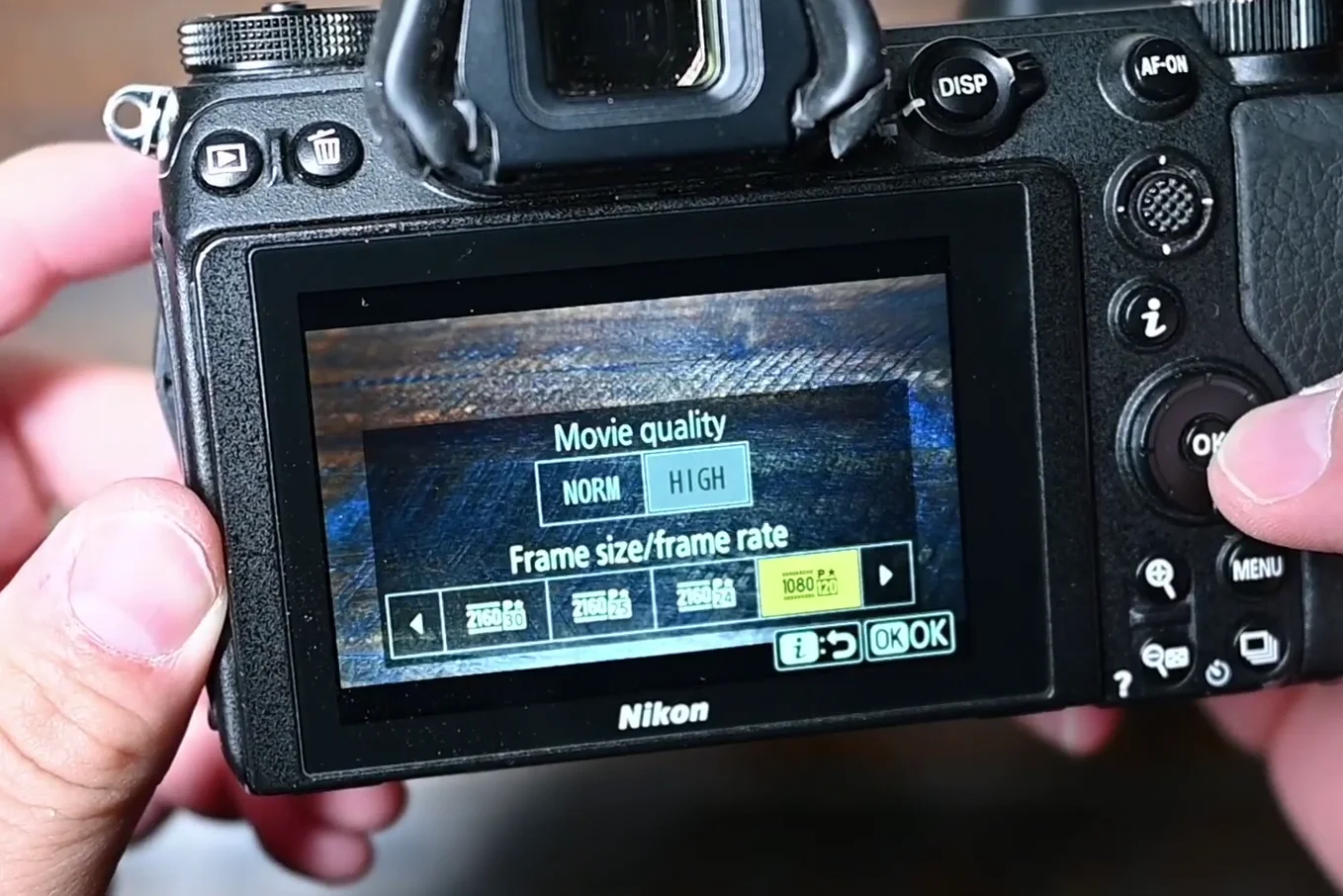
The Z6 wasn’t just built for stills; it was Nikon’s olive branch to videographers. It shoots 4K UHD at up to 30fps using the full width of the sensor (no crop), which is a massive advantage over many competitors in this price range even today.
The Z6 offers full-frame 4K recording without a crop, a feature still sought after today.
Beyond 4K, the 1080p slow-motion capabilities (up to 120fps) are fantastic for B-roll. Capturing cinematic slow-motion footage of events, waves, or walking shots adds a production value that looks professional.
However, a note on stabilization for video: While the IBIS is great for static shots or slow pans, do not expect it to replace a gimbal. If you are walking and vlogging, you will still see some “wobble” or distinct footsteps in the footage. It smoothes out the micro-jitters, but physics is still physics.
Usability and Workflow Improvements
Moving from a DSLR to the Z6 brings immediate “quality of life” improvements.
The Electronic Viewfinder (EVF): It acts as a “what you see is what you get” monitor. Exposure changes are visible in real-time, meaning fewer test shots and missed moments.
Touchscreen Interface: Nikon implemented a smartphone-style interface that actually works. You can swipe through photos, pinch to zoom, and tap to focus effortlessly.
Connectivity: The built-in Wi-Fi and Bluetooth, paired with the SnapBridge app, is a reliable way to get photos from the camera to your phone instantly. Unlike older implementations on DSLRs like the D5300 which were clunky, the Z6 connection is robust, making social media sharing during a shoot feasible.
The high-resolution touchscreen makes reviewing images and navigating menus intuitive.
The Real-World Cons: It’s Not Perfect
No camera is perfect, and after four years of ownership, the cracks in the armor do show. If you are considering buying this used, these are the specific things you need to check.
1. The Peeling Rubber Doors
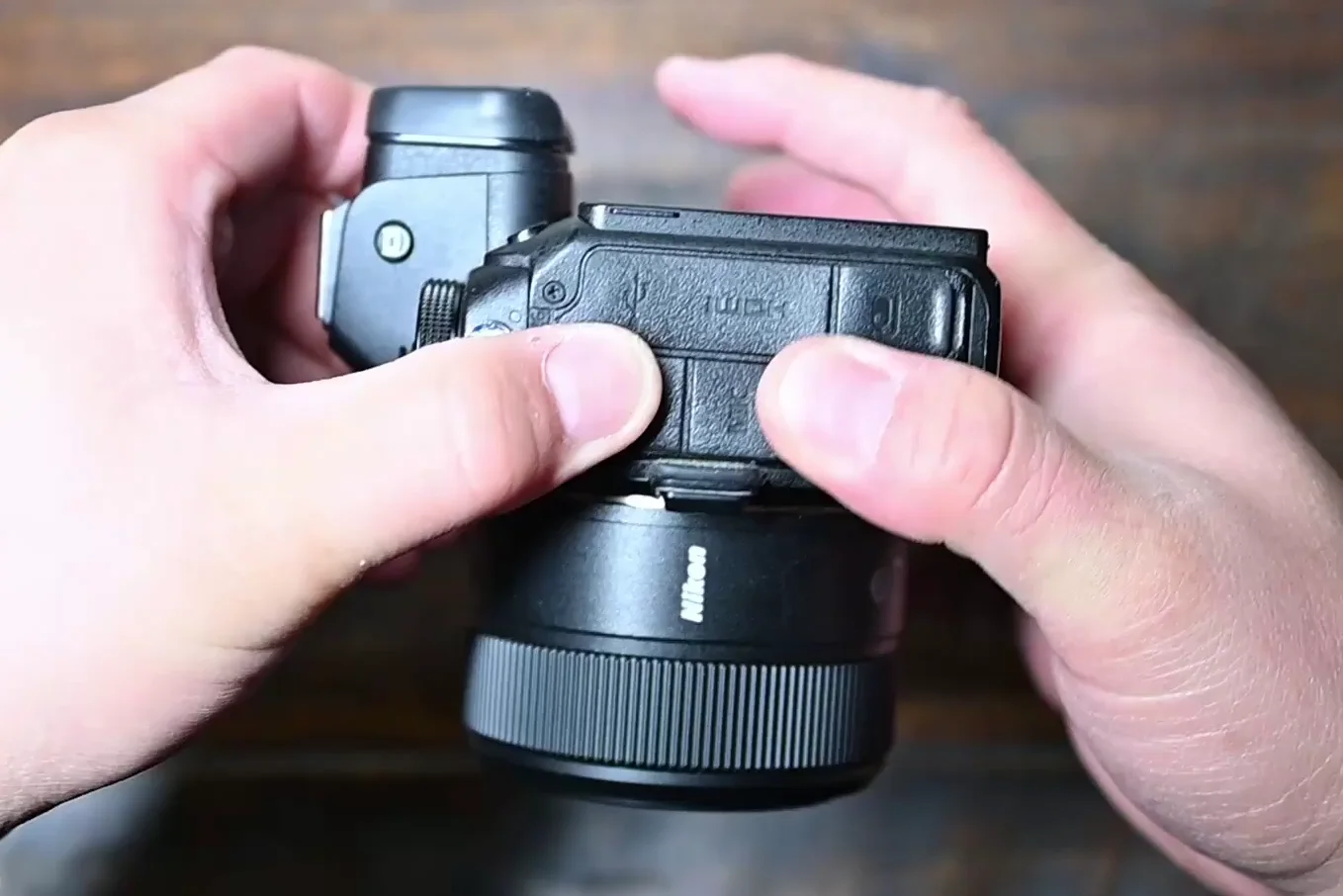
This is a baffling build quality oversight on an otherwise premium body. The side rubber covers that protect the HDMI, mic, and headphone ports have a tendency to warp and expand over time.
A known issue: The rubber covers on the side tend to expand and fail to close properly over time.
Once they expand, they refuse to stay flush with the body. It’s annoying, it looks sloppy, and it compromises weather sealing. Many users resort to gaffer tape to keep them shut. If you are buying used, inspect this area closely.
2. Backlit Autofocus Struggles
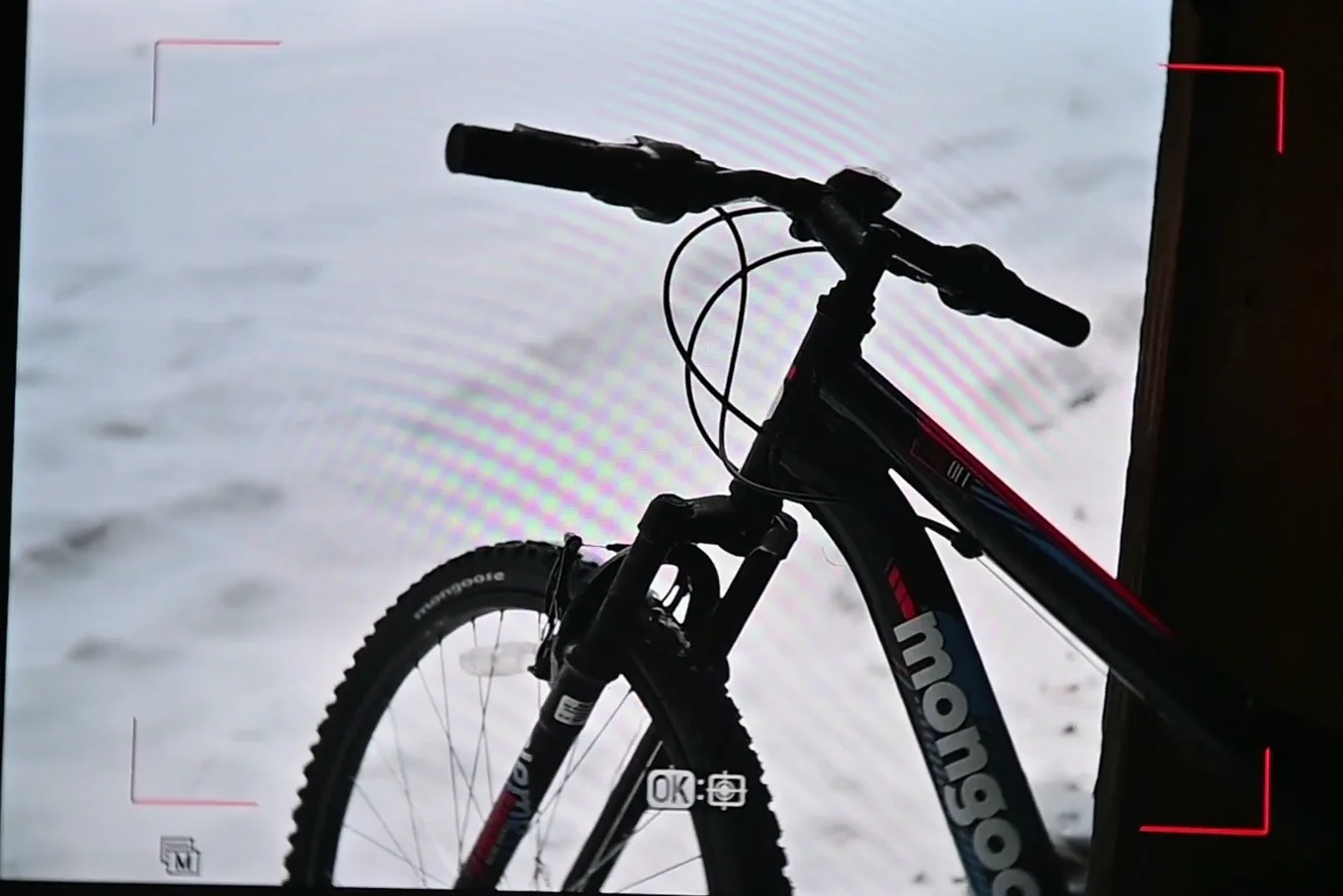
While the autofocus is great in most situations, the Z6 still struggles slightly more than top-tier DSLRs when the subject is heavily backlit (silhouetted). In scenarios where you have a dark subject against a bright sun, the phase-detection pixels can sometimes hunt. It’s not a dealbreaker, but it is a behavior quirk that requires a slight adjustment in shooting style compared to something like a D850.
3. The Memory Card Situation
The Z6 uses a single XQD/CFexpress Type B slot. While these cards are incredibly fast and reliable, they are expensive. The lack of a second slot (available in the newer Z6 II) is a point of contention for wedding pros who demand redundancy, though many have used the single slot for years without failure.
The Lens Ecosystem: The FTZ Adapter
One of the biggest hesitations for photographers switching to Nikon Mirrorless is their existing library of F-mount lenses. The FTZ (F to Z) Adapter is the solution, and frankly, it works seamlessly for Nikon’s own lenses.
The FTZ adapter allows you to bring your F-mount glass to the mirrorless world with almost zero compromise.
AF-S and G lenses perform just as well, if not better, on the Z6 than they did on DSLRs because accurate focus occurs on the sensor plane—eliminating the need for lens calibration.
However, a word of caution regarding third-party lenses: older Sigma, Tamron, or Tokina lenses may have compatibility issues. Some might not autofocus at all with the FTZ adapter. If you have a bag full of older third-party glass, verify compatibility before making the switch.
Final Verdict: Is it Worth it in 2025?
If you are a professional sports photographer or a videographer requiring 10-bit internal raw video and impeccable tracking, you might want to look at the Z9 or the Z6 II.
But for everyone else? Yes, the Nikon Z6 is still an incredible machine.
It represents a massive value proposition on the used market right now. You are getting professional full-frame image quality, great 4K video, decent IBIS, and a rugged body for a fraction of the price of new flagship models. For portrait photographers, enthusiasts, and content creators, the Z6 isn’t just “good enough”—it’s fantastic.
It bridges the gap between the nostalgic feel of Nikon ergonomics and the technological advantages of the mirrorless future. If you can overlook the rubber door issue and the single card slot, the Z6 is a camera that will serve you faithfully for years to come.