If you are anything like me when I first started building my Nikon kit, you probably have the “Nifty Fifty” (50mm f/1.8) and maybe a standard kit zoom. So, when people start recommending a 60mm lens, the immediate reaction is usually skepticism. Why on earth would you need a 60mm lens when you already cover that focal length?
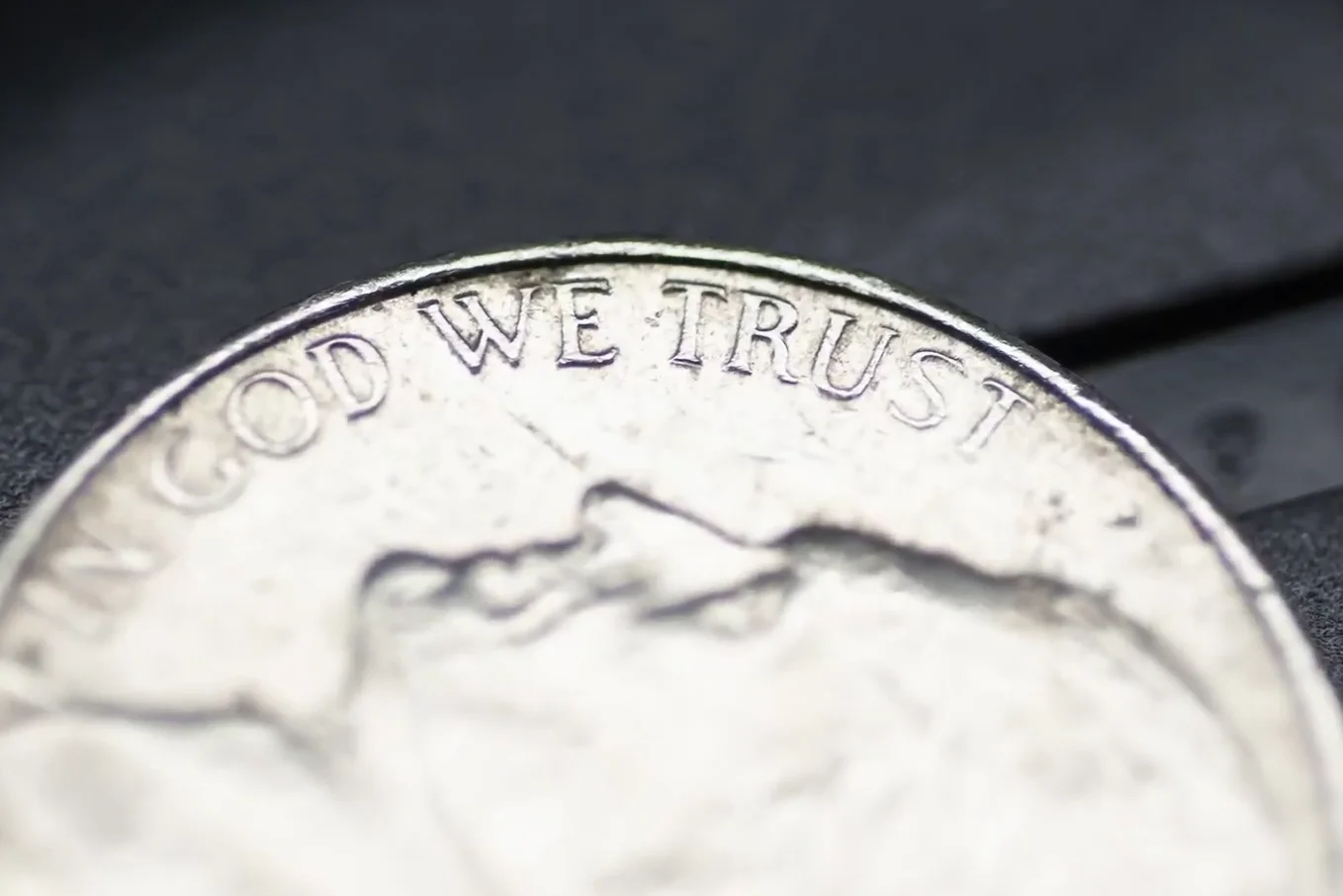
I asked myself the exact same question. The 50mm is great for portraits, it’s great for low light, and it’s cheap. But then, I walked into a camera shop, saw a used Nikon AF Micro-Nikkor 60mm f/2.8D, and decided to humor the salesperson. They handed me a quarter, I snapped a photo at the minimum focus distance, and zoomed in on the LCD.
I bought it on the spot.
In this post, I want to walk you through why this older, screw-drive lens is still a powerhouse today, and why it might just be the dual-purpose weapon your camera bag is missing.
Built Like a Tank (In a Small Package)
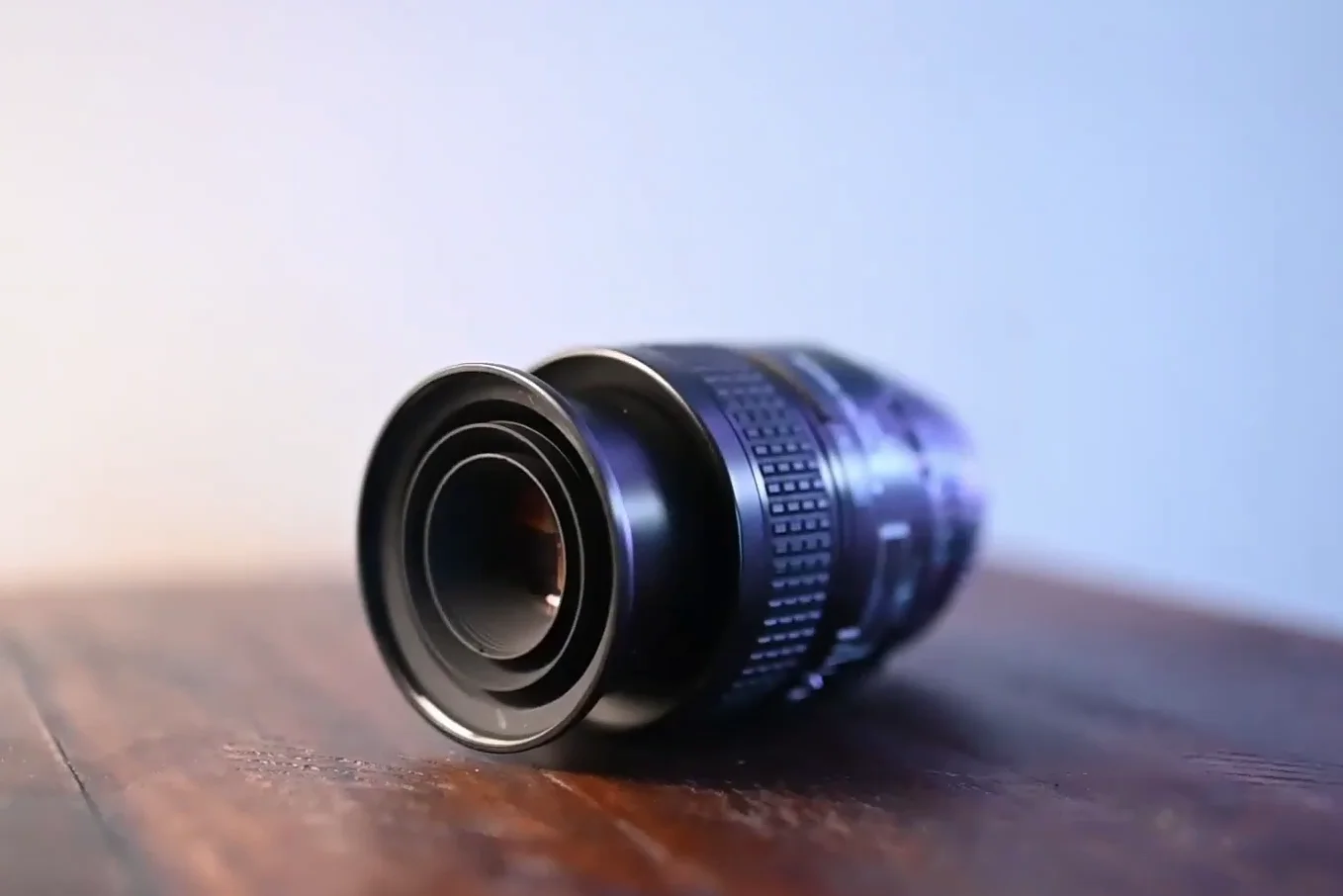
One of the first things that shocks you about the 60mm f/2.8D is the build quality relative to its size. In an era where modern lenses are increasingly made of high-grade plastics (composites), this lens feels like a relic from a different time—in the best way possible.
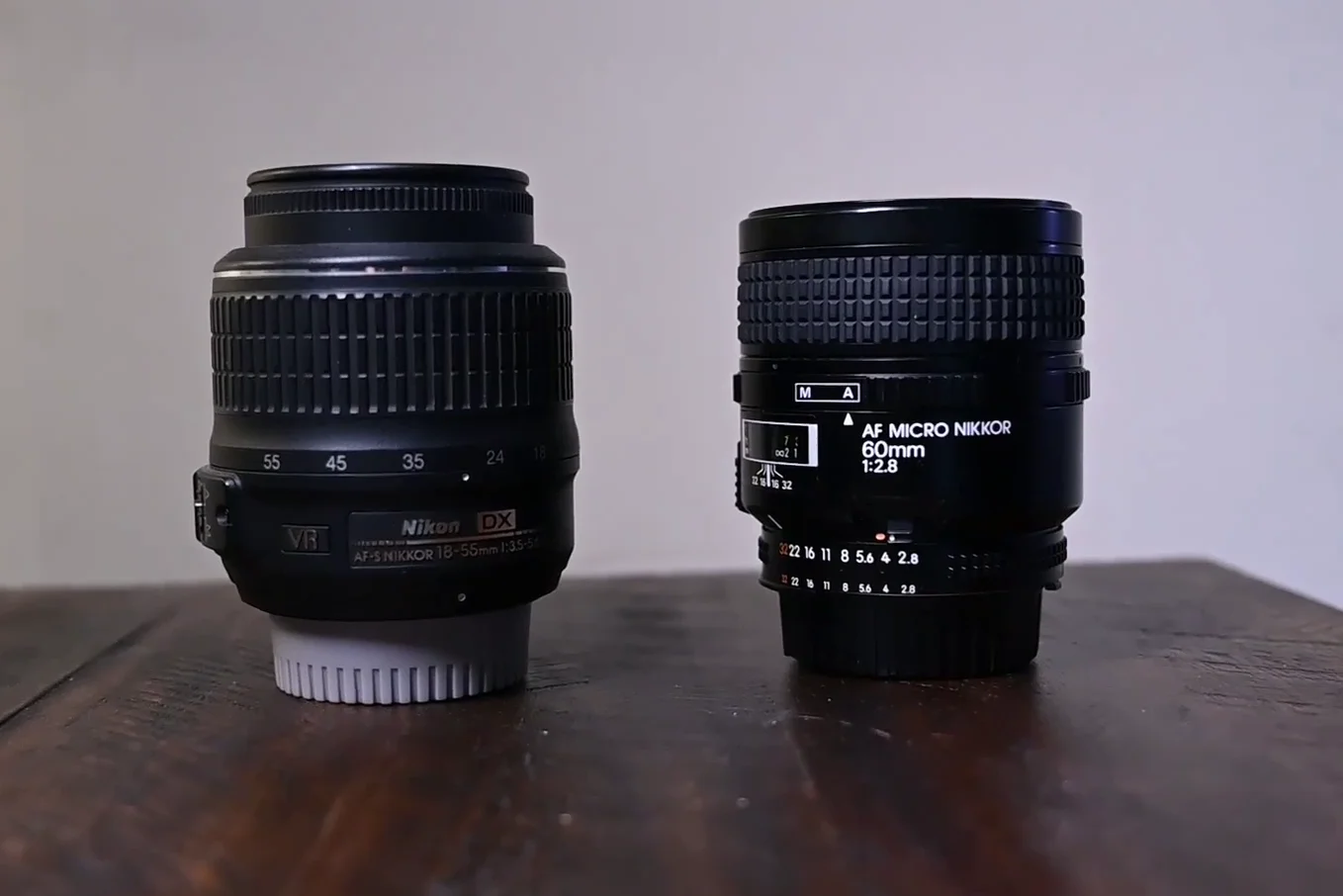
It features a metal barrel and a rugged construction that feels incredibly dense in the hand. Yet, it’s small. When you mount it on a body like the Nikon D700, D7000, or even a D300s, the balance is perfect. It doesn’t make the camera front-heavy, making it a joy to walk around with. It features a standard 62mm filter thread, which is common enough that you might already have filters that fit.
The Macro Capabilities: Inspecting the Details
The primary reason to buy this lens is, of course, the “Micro” designation (Nikon’s terminology for Macro). This is a true 1:1 macro lens.
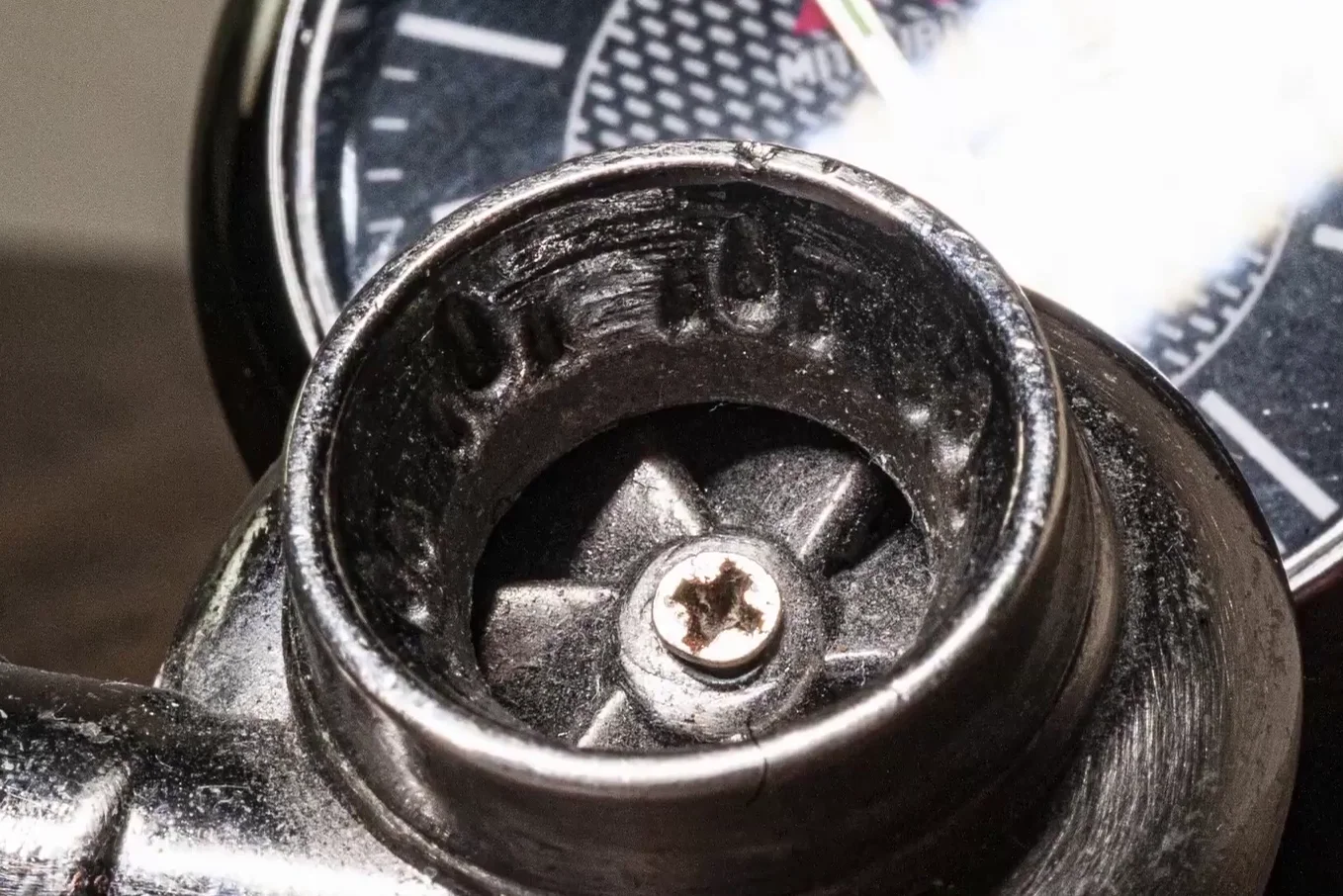
The sharpness here is clinical. And I don’t use that word lightly. When you photograph product shots, jewelry, or insects, you want every texture to pop. This lens delivers that “crispy” look straight out of the camera.
The Aperture Quirk
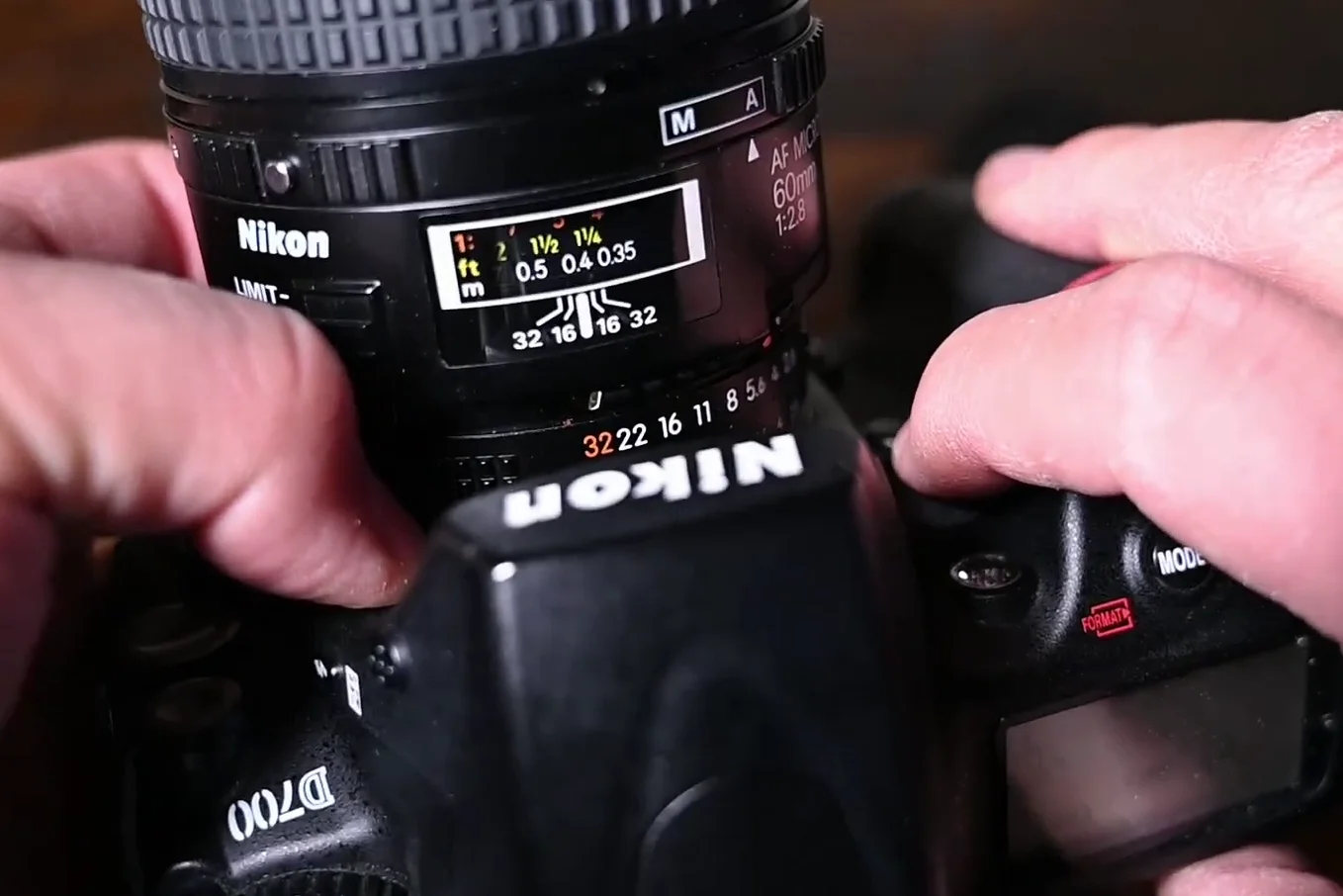
There is a technical specification regarding the aperture that confuses many first-time users. The lens is listed as f/2.8. However, as you focus closer to your subject (entering macro territory), the effective aperture changes. You might see your camera display f/3.5, f/4, or even smaller numbers like f/51 when you are millimeters away from the subject.
This is normal physics for macro lenses (light loss due to extension). The lens can technically stop down to f/32 (or f/51 effectively), which provides a massive depth of field. Just be warned: if you shoot at f/32 or f/51, you need a lot of light. We are talking studio strobes or bright direct sunlight; otherwise, your viewfinder will be dark, and your image will be black.
Not Just for Bugs: The Portrait Surprise
Here is where the 60mm f/2.8D goes from a “specialty tool” to a “daily driver.” It is a surprisingly fantastic portrait lens.
Because macro lenses are designed to be flat-field (meaning edge-to-edge sharpness) and highly contrasty, they render skin textures with incredible fidelity. Now, for some subjects, this might be too sharp (you’ll see every pore), but for beauty lighting and modern high-contrast portraiture, it is stunning.
The focal length is also a sweet spot. On a Full Frame (FX) camera, 60mm is a slightly tighter “normal” view. On a Crop Sensor (DX) camera, this behaves like a 90mm lens, which is the classic portrait focal length. The background compression (bokeh) at f/2.8 is pleasing—not as creamy as an 85mm f/1.4, but very respectable and professional looking.
Important Compatibility Warning
Before you rush out to buy one on eBay, there is a catch. This is an “AF-D” lens.
What does that mean for you?
This lens does not have a built-in autofocus motor. It relies on the camera body to have a “screw drive” motor to turn the focus mechanism.
- It will Autofocus on: D7000 series, D70, D90, D300, D500, D600, D700, D800, D3, D4, etc.
- It will NOT Autofocus (Manual Focus only) on: D3000 series (D3100, D3200…), D5000 series (D5100, D5200…), D40, D60.
If you have an entry-level Nikon body, you can still use this lens, but you will have to manually focus. Honestly? For macro work, you should be manually focusing anyway, so it’s not a dealbreaker for close-up work. But for portraits, losing AF can be a pain.
The Verdict: A Hidden Gem?
Does this lens have downsides? Sure. It lacks Vibration Reduction (VR), which means you need steady hands or a tripod for low-light work. It focuses a bit slower and louder than the modern AF-S G versions because of that mechanical screw drive.
However, the “G” version of this lens costs significantly more. If you are a photographer on a budget who wants to explore the world of macro photography and get a sharp-as-tacks portrait lens in the process, the Nikon 60mm f/2.8D is unbeatable value.
It’s sharp, it’s built to last a lifetime, and it produces images that have a distinct “pop” that creates professional-looking results with minimal effort.
If you see one on the used market, grab it. It might just replace your 50mm.